



What is PvM in OSRS?
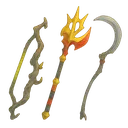
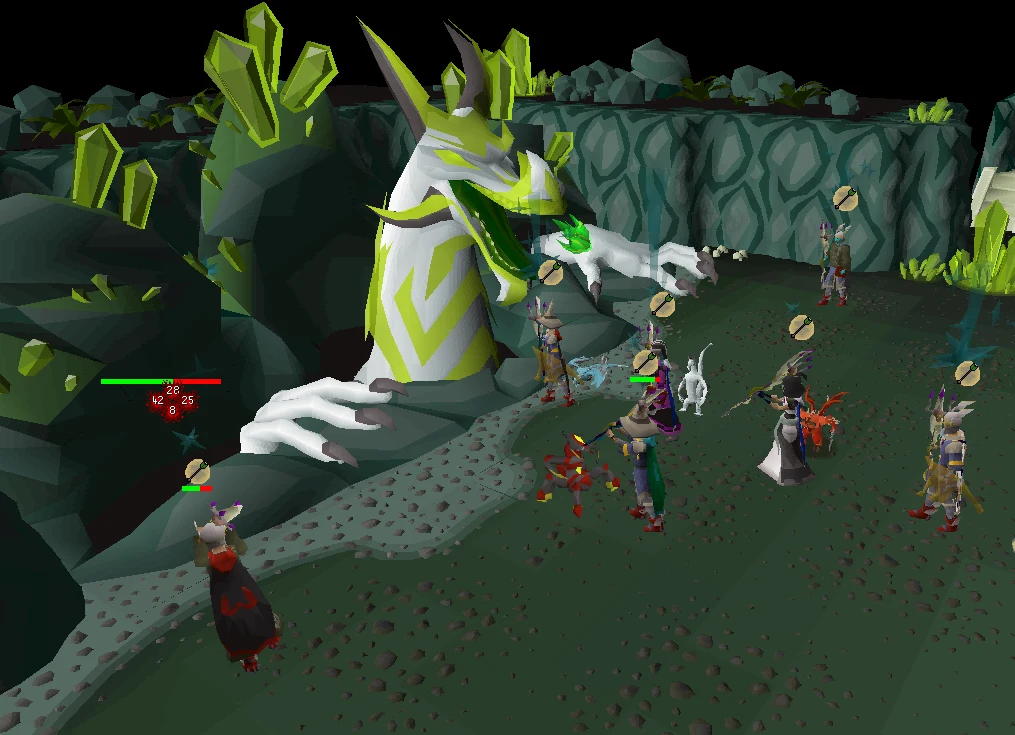
PvM stands for Player versus Monster: any fight against NPCs such as bosses and Slayer monsters. Fighting other players is PvP. Some players call it PvE (player versus environment), and it means the same thing. In Old School RuneScape, PvM usually means bossing: solo bosses like Vorkath and Zulrah, the God Wars Dungeon (Bandos, Zamorak, Zilyana, Armadyl and Nex), the three raids (Chambers of Xeric, Theatre of Blood and Tombs of Amascut) and the Desert Treasure II bosses (Leviathan, Vardorvis, Whisperer and Duke Sucellus). Each has its own mechanics, requirements and drop table, and almost all best in slot gear comes from these fights.
The fire cape from the TzHaar Fight Cave (63 waves, ending with TzTok-Jad) is the usual first PvM milestone. Handing one in is also the one-time entry fee for the Inferno, whose infernal cape has the highest melee strength bonus of any cape.
Bosses & activities
BILS covers kills and learning support for the bosses and capes below, from pet KC and raid uniques to a fire or infernal cape, solo or in a team.
Vorkath Zulrah
 Bandos
 COX Raids
 TOB Raids
 TOA Raids
 The Leviathan
 Vardorvis
 The Whisperer
 Duke Sucellus
 Infernal Cape
 Fire Cape

Raids
Chambers of Xeric, Theatre of Blood, Tombs of Amascut

God Wars
Bandos, Zammy, Zilyana, Armadyl, Nex


DT2 bosses
Leviathan, Vardorvis, Whisperer, Duke Sucellus
Capes
Fire Cape, Infernal Cape, 1 Prayer Fire Cape

Boss categories at a glance
Overview of main PvM categories and what they include. Requirements and difficulty vary, so check the OSRS Wiki for mechanics, drop tables and strategies.
| Category | Content | Difficulty |
|---|---|---|
| Raids | CoX, ToB, ToA: uniques, GP, points | Hard |
| God Wars | Bandos, Zammy, Zilyana, Armadyl, Nex | Medium |
| DT2 | Leviathan, Vardorvis, Whisperer, Duke | Hard |
| Slayer | Hydra, Cerberus, Sire, Kraken, Grotesque Guardians, … | Medium |
| Wilderness | Callisto, Artio, Scorpia, Vet'ion, Venenatis | Hard |
| Capes | Fire Cape, Infernal Cape, 1 Prayer Fire Cape | Medium–Hard |
A sensible PvM order
- Starter bosses: Barrows (needs Priest in Peril), the Giant Mole, Sarachnis or Scurrius. Scurrius is built for players around 60 to 90 combat.
- Fire cape: 63 waves in the Fight Cave, ending with TzTok-Jad. You need the cape later to enter the Inferno.
- First money bosses: Zulrah (Regicide done up to Port Tyras) and Vorkath (Dragon Slayer II).
- Slayer bosses as your level allows: Kraken at 87 Slayer, Cerberus at 91 and the Alchemical Hydra at 95.
- God Wars and DT2: General Graardor needs 70 Strength and 40 Bandos kill count, and the four DT2 bosses open after Desert Treasure II and drop the vestiges for the ultor, venator, magus and bellator rings.
- Raids: Tombs of Amascut takes 1 to 8 players and has an Entry Mode (raid level 0 to 149), so many players learn it first. Chambers of Xeric and Theatre of Blood follow.
How to learn a new boss
Pick one boss your stats and quests already allow, read its OSRS Wiki strategy page, and give each session a single goal, such as getting through one phase cleanly or finishing a kill without teleporting out. Short sessions with one goal teach more than an eight-hour grind where every death looks the same. Note what killed you each time, and count the food and potion doses each kill costs. Once kills end with supplies to spare, bring less and stay for more kills per trip.
It also helps to know which kind of fight you are learning:
- Pattern bosses. Zulrah follows one of four fixed rotations, and Vorkath uses a special attack after every six regular attacks, alternating between the acid pools and a freeze with a Zombified Spawn. Once the pattern is second nature, kills become a damage race and every gear upgrade shortens the trip.
- Punishing fights. TzTok-Jad's melee and ranged attacks hit up to 97 (magic up to 95), so one missed prayer switch on the last wave of the Fight Cave can end the run. In the Inferno, a death sends you back to wave 1 of 69, although you keep your items. Here practice matters more than stats, so learn the fight before spending hundreds of millions on upgrades for it.
Solo or team is the other split. Solo content tests focus and endurance; raids test communication and whether everyone knows their role. In the Theatre of Blood a dead player sits out until the rest of the team clears the room, so a team can absorb one mistake. A solo boss cannot, which is why most players learn a few solo bosses before they join raids.
Related guides
This page covers the kills and cape completions we offer. To learn the content instead, start with the boss index and the progression order, then read the individual fight guides.
- Every boss, mini-boss and Slayer bossThe full index with requirements, difficulty and notable drops.
- Which boss should you learn first?Difficulty tiers and what each one expects you to already be able to do.
- Boss requirements checklistWhich quests and Slayer levels gate which bosses, grouped so you can clear several at once.
- Combat Achievements guideTiers, points and the rewards worth targeting.
Boss kills & capes
Prices for boss kills, raid runs, the fire cape and the infernal cape are on the PvM services page. If the boss you want is not listed, ask live support before ordering.
View PvM servicesFor mechanics, requirements, and drop tables, see the officialOSRS Wiki Bosses
Bottom line
PvM progression is mostly a question of order. Learn one forgiving boss properly before moving up, because the habits transfer and the gear does not go backwards. Zulrah and Vorkath are the usual first money bosses; God Wars teaches you to fight in a crowd; the raids expect you to already know your switches.
Work through the boss index to see what your account is already eligible for. If a specific fight or cape is the only thing standing between you and the content you actually enjoy, that is the point where a kill service earns its keep.
Enjoyed the guide?
Drop a like — it helps other Adventurers find the good stuff.
Community
Comments
Silence in the hall…
Be the first Adventurer to leave a mark.
Join the thread
Add a comment
Tips, drops, or “this carried my account” — keep it useful.